Mobile Trailer Repair
On-Site Trailer Repair That Keeps Your Freight Moving
Dry vans, reefers, flatbeds, tankers, and step decks — serviced at your yard or on the roadside.
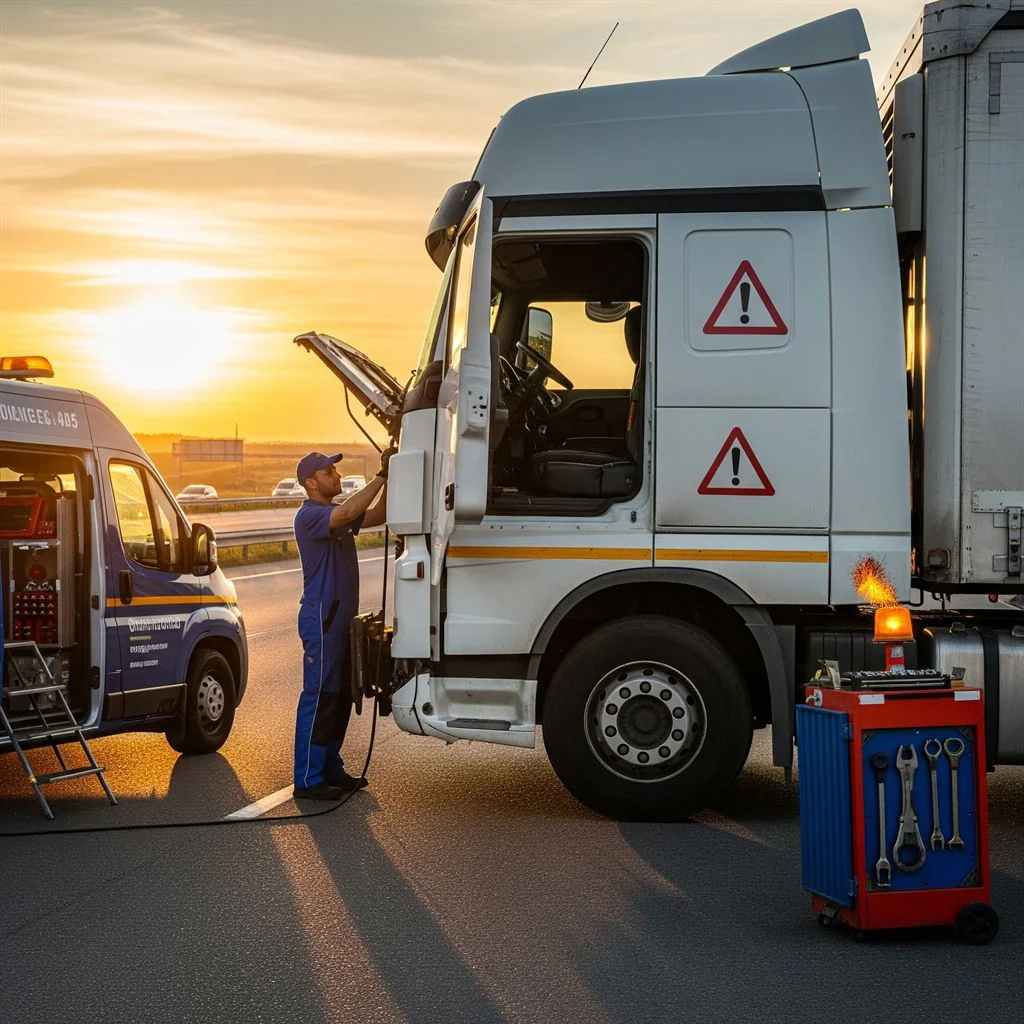
A disabled trailer ties up a tractor, delays a load, and throws schedules into chaos. Our mobile trailer repair service eliminates the bottleneck by dispatching a technician directly to the trailer’s location. We perform complete repairs in the field — brake systems, lighting, suspension, landing gear, and structural components — so you’re not stuck waiting for a shop bay.
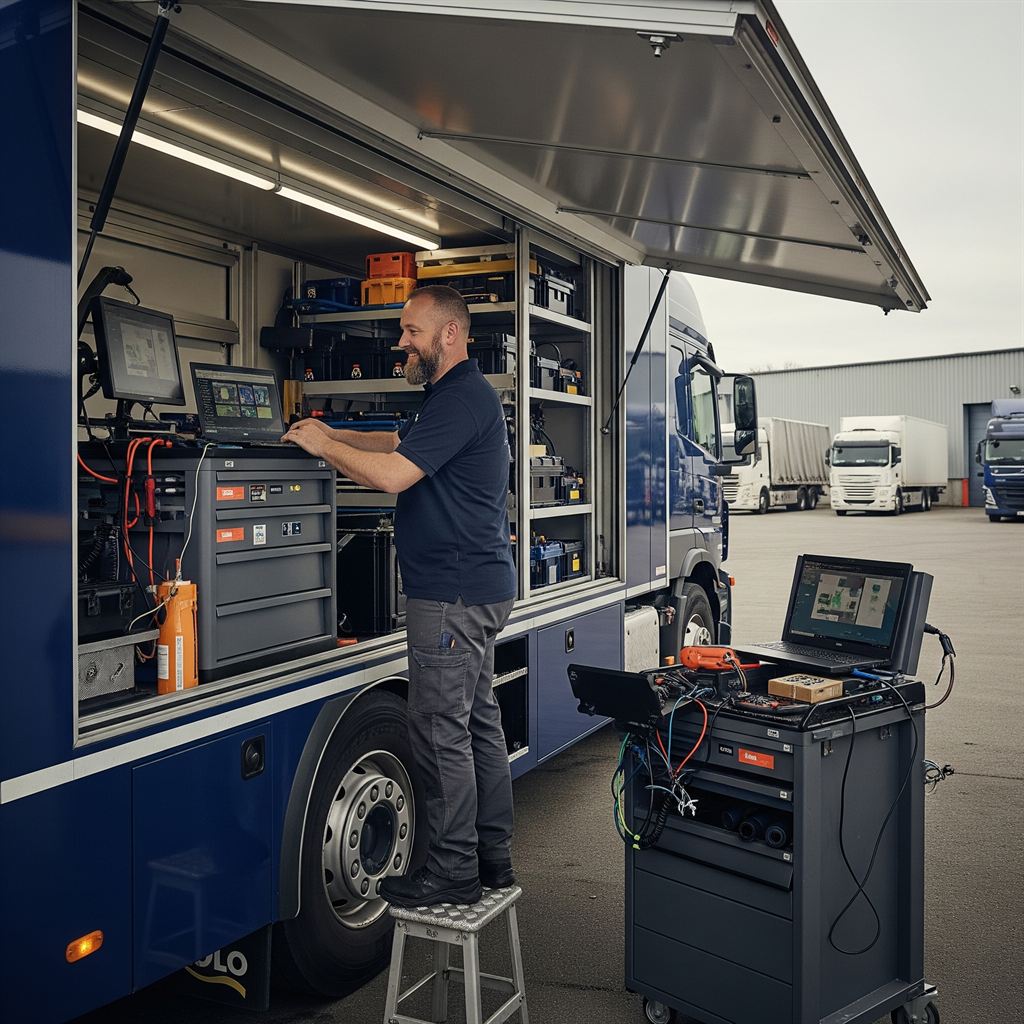
Every service truck carries a specialized inventory of trailer-specific parts: brake chambers, slack adjusters, lamp assemblies, ABS sensors, air lines, spring suspensions, wheel-end components, and reefer system supplies. We arrive prepared to fix the problem, not just diagnose it.
Trailer Repair Without the Yard Move
Fully equipped field service. Specialized trailer knowledge. One-visit resolution.
Moving a crippled trailer to a repair shop costs time, money, and often requires a second tractor. Our mobile approach eliminates that entirely. We bring the repair bay to the trailer — whether it’s parked in a distribution lot, sitting at a truck stop, or stranded on the shoulder. Our technicians are trained specifically on trailer systems: air and electric brakes, suspension geometry, lighting multiplexing, landing gear mechanisms, door hardware, and reefer unit diagnostics. We service single and tandem axle configurations, spread axles, lift axles, and specialized trailer types.
Brake Systems & Wheel Ends
Lighting, Wiring & Electrical
Suspension, Structure & Landing Gear
What's Covered With Every Mobile Trailer Repair

All Trailer Types
Dry vans, refrigerated reefers, flatbeds, step decks, lowboys, tankers, dump trailers, and livestock haulers.

Onboard Parts Inventory
Mobile units carry brake hardware, lighting components, air fittings, seal kits, ABS sensors, and common suspension parts.

DOT-Ready Repairs
Every repair follows FMCSA guidelines. Your trailer passes the next roadside inspection without surprises.

Digital Service Log
You receive a complete repair record including component photos, part numbers, labor summary, and maintenance recommendations.
How It Works
1
Call Our Team
Reach us anytime — day or night. A live dispatcher takes your information, vehicle location, and a brief description of the issue.
2
Dispatch Technicians
We route the nearest fully equipped mobile unit to your location. Parts are loaded before dispatch to minimize wait time.
3
On-Site Diagnosis
Our technician arrives, performs a thorough diagnostic assessment, and provides a clear estimate before any work begins.
4
Repair and Get Back On The Road
We complete the repair on-site using commercial-grade parts and equipment. You're rolling again — fast, safe, and compliant.
Frequently Asked Questions
Mobile Trailer Repair Help Center
Commonly asked questions about our mobile trailer repair services. Call us if your question isn’t listed here.
We repair all common trailer configurations including dry van box trailers, refrigerated reefers, flatbeds, step decks, removable goosenecks, tankers, end dumps, side dumps, and livestock trailers. Specialized equipment can be accommodated with advance notice.
Yes. We diagnose and repair trailer ABS systems including wheel speed sensors, modulator valves, ECU units, and wiring harness faults. We also service air brake systems, electric brakes, hydraulic surge brakes, and vacuum-over-hydraulic systems.
Yes. Our mobile units carry tire changing equipment and can replace tires on dual-wheel and wide-base single configurations. We also inspect tire pressure, tread depth, and sidewall condition as part of any brake or suspension service.
Yes. We offer mobile welding for frame cracks, crossmember replacement, floor patch repairs, threshold plate replacement, and door post repairs. Structural repairs are performed to industry standards and inspected before the trailer is returned to service.
Yes. We perform thorough pre-trip inspections and full annual DOT inspections on all trailer types. Our inspections cover brake systems, lighting, suspension, tires, wheels, coupling devices, cargo securement, and structural integrity — with digital documentation provided.